Lately, our team at Equity Solar Brokers has noticed a common pattern when chatting with homeowners across New Zealand. When we discuss switching to clean energy, a frequent response pops up:
"We’re really keen on solar, but we’re holding off to see what happens with government solar subsidies."
On paper, this sounds like a prudent financial choice. Who wouldn't want the government to subsidize their clean energy upgrade? However, when you analyze how solar market dynamics, power pricing, and government policies actually operate in New Zealand, holding off is often the most expensive choice you can make.
Here is a look at why waiting for solar rebates might cost you significantly more than it saves—and why acting today puts you in the driver's seat.
Quick Takeaways
Subsidies Cover Only a Fraction: Proposed political rebates ($3,000 to low-interest loans) pale in comparison to total system costs ($25,000–$40,000+).
The High Price of Waiting: Every month you wait is a month paying peak power prices to electricity retailers, eroding any potential future subsidy.
Supply Demand Spikes: When rebates hit, demand skyrockets—leading to installer shortages, long waiting lists, and price surges.
The Aussie Precedent: Australia’s battery incentive rush demonstrated how rapid demand spikes drive up installation costs and reduce installer availability.

1. Government Solar Rebates Are Smaller Than You Think
Political headlines often make promises sound transformational, but it's important to break down the numbers before basing your household budget on them.
In recent policy discussions across New Zealand's political spectrum:
Labour has floated rebates in the region of $3,000.
The Greens have emphasized low-interest clean-energy loan schemes.
National has leaned toward council-backed targeted rates assistance (such as Voluntary Targeted Rates programs).
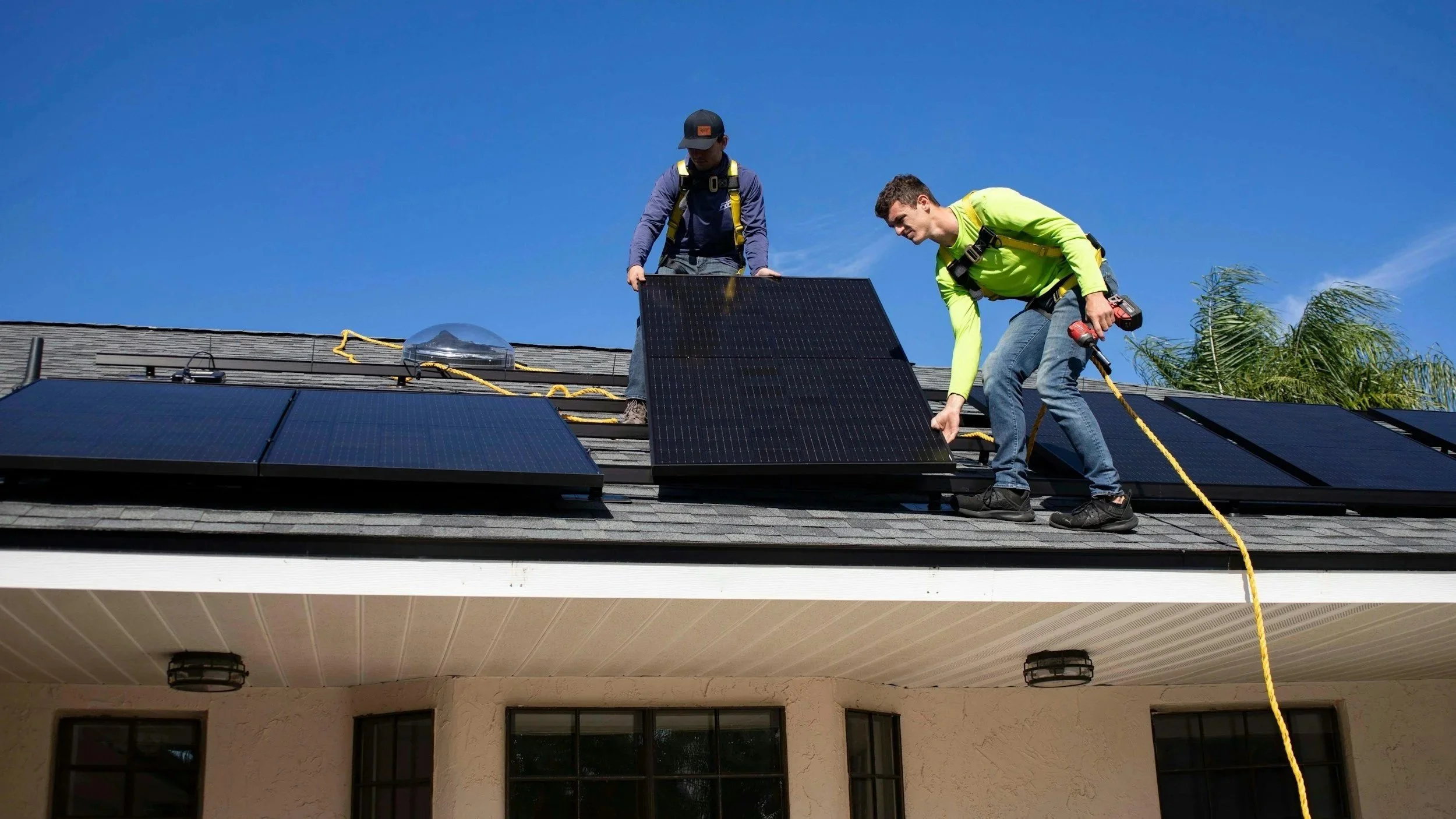
Now, compare those proposed figures against a quality residential or small-commercial setup—a complete tier-1 solar panel and battery system typically ranges between $25,000 and $40,000+ depending on capacity and battery size.
A $3,000 rebate represents less than 10% of your total setup. While every little bit helps, a modest rebate is far from life-changing—and certainly isn't worth putting your energy independence on hold for years.
2. You Pay Your Own "Anti-Subsidy" Every Month You Delay
The biggest financial oversight homeowners make when waiting for government incentives is ignoring the opportunity cost of delay.
While you wait on parliament to pass legislation and roll out policy frameworks, your household continues paying 100% of its power bill to electricity retailers while you sit there switching the lights on using outdated technology.
The Cost of Waiting Breakdown:
Let's assume a quality solar array would save your household $300 to $450 per month on power:
6 Months Delay: You pay $1,800 – $2,700 to your power company.
12 Months Delay: You pay $3,600 – $5,400 to your power company.
18 Months Delay: You pay $5,400 – $8,100 to your power company.
Notice what happened? By waiting 12 to 18 months for a hypothetical $3,000 subsidy, you have already paid more in missed power bill savings to your electricity retailer than the subsidy was worth in the first place.
Instead of saving money, waiting effectively creates a negative return on investment before your panels are even ordered. To understand how quickly a system pays for itself on your specific property, explore our solar tool for help with calculating solar panel payback periods in NZ.

3. High Market Demand Drives Up Installation Costs & Wait Times
Suppose government solar subsidies are introduced next year and they turn out to be generous. What happens to the New Zealand solar market overnight?
Suddenly, thousands of Kiwi families who were sitting on the fence rush into the market at the exact same time. Demand doubles or triples overnight.
However, the supply side of the equation cannot expand at the same speed:
Certified Electricians Don't Multiply Overnight: Accredited solar installers and qualified electricians take years to train.
Component Bottlenecks: Distribution channels and local inventory become constrained under sudden surges in demand.
When demand massively outstrips supply, three things inevitably occur:
Longer Wait Times: Installation backlogs swell from weeks to 6–12 months.
Higher Overhead & Equipment Costs: Demand pressure drives up component pricing across the supply chain.
Margin Spikes: Installation companies no longer need to price competitively to secure jobs.
In fact, we have already observed solar profit margins tightening and expanding across New Zealand even without direct direct-to-consumer subsidies. When an entire country rushes the market at once, gridlock occurs and installation costs surge—frequently swallowing up the exact value of the government rebate you waited for!
The Australian Lesson: What Happens When Incentives Spike Demand?
We don't need to guess how this scenario plays out; Australia has already provided a real-world case study.
When various Australian state governments introduced generous battery rebate schemes, consumer demand exploded overnight. Solar installer order books filled up instantly, waiting periods stretched into many months, and total system pricing rose as installation companies capitalized on the demand spike.
Fast forward to when those incentives began scaling back or ending:
Consumer demand normalized.
Competition among installers returned.
Pricing became sharper and service quality improved.
The lesson from across the Tasman is clear: Buying during a subsidy gold rush often means paying inflated market prices and accepting longer delays.
The Verdict: Should You Wait or Go Solar Today?
At Equity Solar Brokers, our advice to Kiwi homeowners and commercial property owners is simple:
If the numbers for solar stack up for your home today, take action today.
If government subsidies or green loan initiatives are introduced before your installation date—fantastic! You can take advantage of them. But if they don't, you won't care, because you'll already be months ahead, generating your own clean power and keeping thousands of dollars in your bank account instead of sending it to energy retailers.
Waiting for government rebates feels like a cautious, prudent strategy—until you calculate the hidden costs of waiting.
Frequently Asked Questions (FAQ)
-
Currently, New Zealand does not offer a universal federal cash rebate for residential solar installations. However, many major NZ banks offer 0% or low-interest green energy loans (up to $50,000 over 3–5 years) to help homeowners finance solar panels and batteries affordably.
-
Solar is typically worth it if your household spends over $200 per month on electricity, has a north-, east-, or west-facing roof with minimal shading, and uses a reasonable amount of power during daytime hours or plans to install a battery. Working with an independent solar broker allows you to compare multiple quotes and verify the ROI before committing.
-
If you install solar today, you immediately lock in immediate power bill savings. Even if a future rebate is introduced later, the savings you accumulate in the interim usually offset or exceed the value of any future rebate.
Ready to See Your Real Solar Savings?
Don't let market uncertainty delay your energy independence. As independent brokers, Equity Solar Brokers reviews top-tier NZ solar installers to find the best components, warranties, and pricing for your specific home.