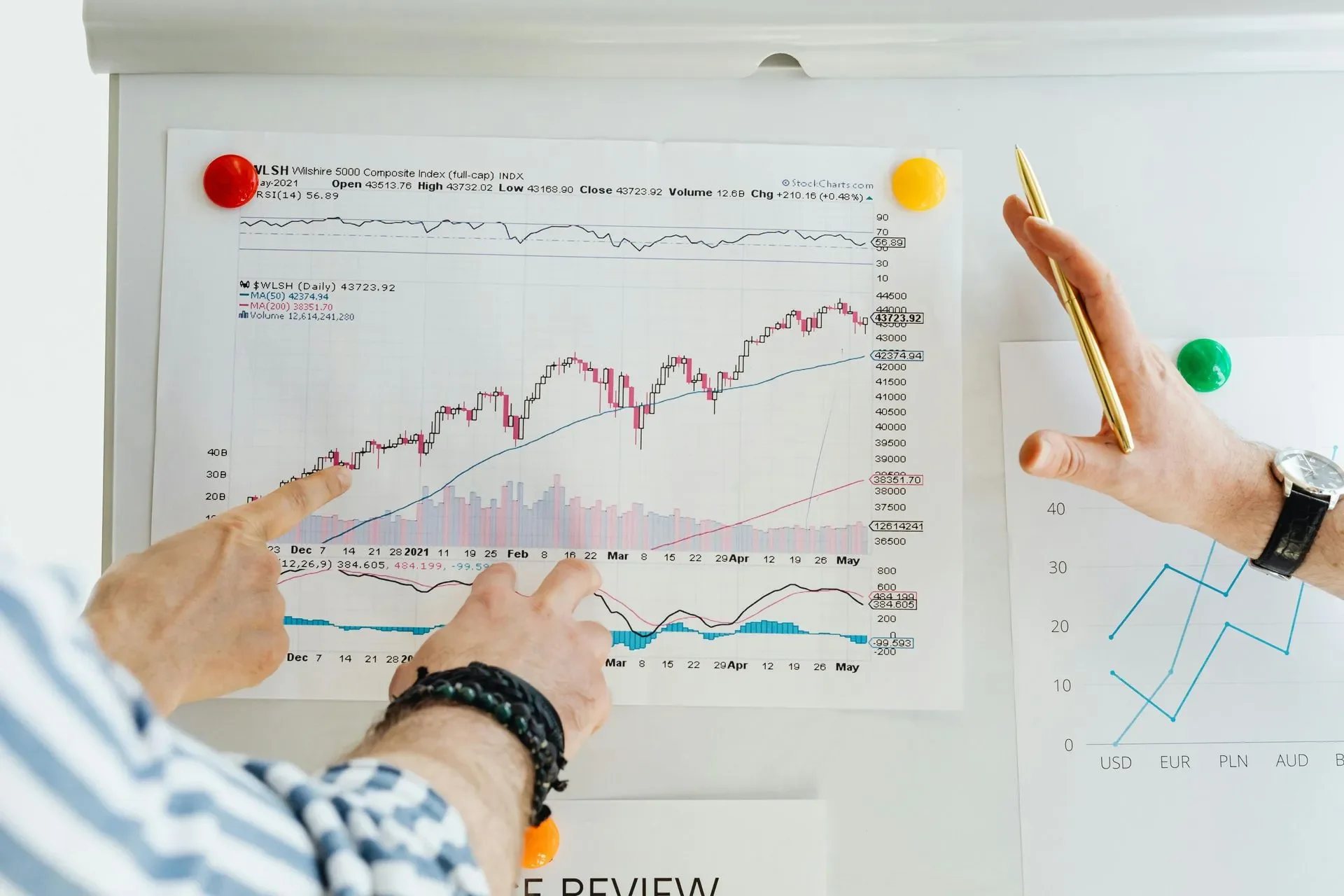
Often when solar comes up, someone comes out with:
“Yeah, but I could put that money in the market.”
And they’re not wrong.
They’re just… comparing the wrong things. Because solar isn’t trying to beat shares. It’s trying to do something far more boring — and far more powerful.
Shares Are an Investment
And Solar Is Cost Deletion 😘
When you buy shares, you’re hoping money appears later.
When you buy solar, you’re stopping money from leaving your bank account every single month.
That difference matters.
Power bills are not optional.
They’re not cyclical.
They don’t take a year off because the economy feels weird.
They show up. On time. Every time. And they trend in one direction only.
Solar doesn’t outperform shares by being clever.
It outperforms them by replacing a guaranteed future expense.
The Market Might Go Up
Your Power Bill Definitely Will 🤷♂️
A conservative share portfolio might return 6% long-term.
It might also have:
Bad years
Flat years
“Why did I check my balance today” years
Solar has none of that drama.
Your “return” is simply:
Power you didn’t have to buy
At prices that inflate faster than CPI
Without tax
Without volatility
It’s not exciting.
👉Which is exactly why it works.
The Psychological Bit Nobody Talks About
Very few people actually behave like long-term investors.
They:
Panic when markets drop
Tinker when things are quiet
Sell at exactly the wrong time
Brag about wins and forget losses
Solar systems don't push you around.
You don’t need to check graphs, but you want to check graphs of your production and battery SOC.
You're not torn between emotion, logic, and your annoying investor uncle who always brags about his big 'long' while muttering about the length of his shorts. 😂
Solar isn't another evil parrot on your shoulder whispering schemes in your ear. It's like the kingfisher on the powerline, sitting there year after year, over looking the neighbourhood while making you feel at home.
“But Shares Compound…”
Yes. And so does solar — just differently.
Solar compounds because:
Electricity prices rise
Self-consumption increases as your home slowly adapts to the free energy
It's stays invested. You're unable to withdraw the investment for your next mid-life-crises escapade.
A kWh you generate in year 20 is worth more than one you generate in year 1.
That’s not speculation.
That’s how inflation works.
Solar Isn’t Competing With Your Portfolio 💡
This is the bit people miss.
Solar isn’t saying: “Don’t invest.”
It’s saying:“Why are you paying retail prices for power before you invest?”
In most cases, solar should sit below your investments, not instead of them — like insulation, double glazing, or paying off high-interest debt.
You wouldn’t borrow at 7% to invest at 6%.
Paying a power company 35–40c/kWh is the same mistake, just disguised as normal life.
The Cleanest Framing
If you want a clean mental model, try this:
Shares grow wealth
Solar protects wealth
One chases upside.
The other removes downside.
Both are useful. But only one lowers your cost of living forever. 🙏
We aren’t financial advisors. This article is purely opinion based. Not to be intended as financial advice. Do your own research, seek professional advice for your investments.